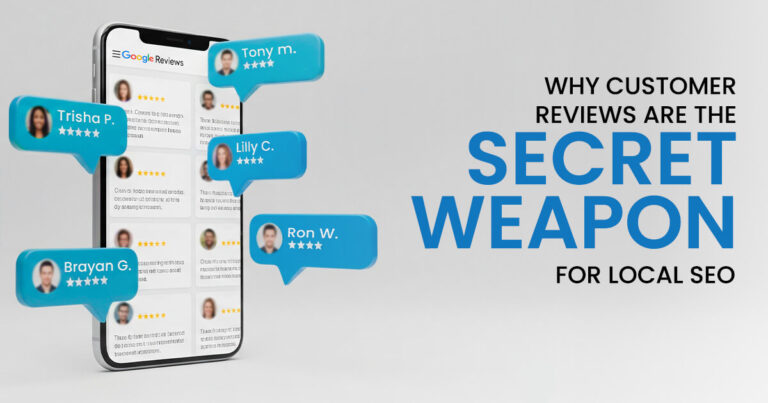
A home service website not generating leads is rarely a mystery once the numbers come out. Roughly 46% of Google searches carry local intent, and 80% of American consumers look up local businesses at least once a week. Demand clearly exists. When the phone stays quiet anyway, something between your traffic sources, your page experience, and your booking path is leaking customers. HVAC contractors, plumbers, roofers, landscapers, and cleaning companies all lose leads at the same predictable points, and each of those points can be repaired without a full rebuild.
The Wrong Visitors Cannot Book You
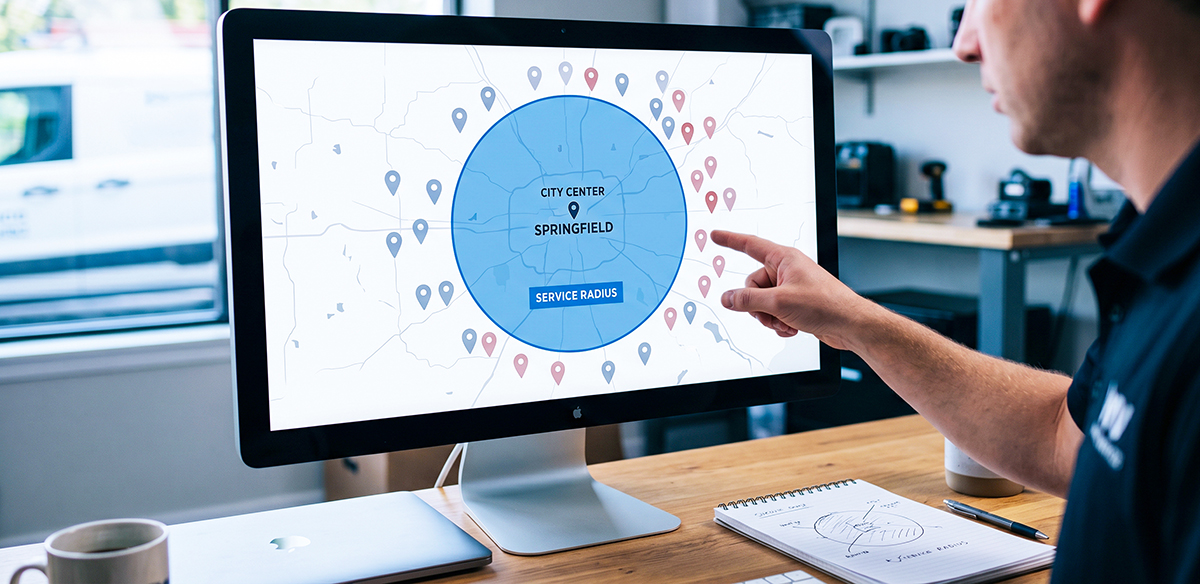
Owners who ask why their home service website isn’t getting leads usually uncover a traffic quality problem before anything else. Broad informational queries such as “how to fix a leaky faucet” pull in readers from every corner of the internet, and most of them will never need a technician in your city. They inflate bounce rates, drain ad budgets, and convert at exactly zero.
A localized digital marketing strategy corrects the imbalance by targeting transactional, geo-modified searches like “emergency plumber in Calgary” and by setting defined service areas, up to the 20-location limit, inside your Google Business Profile. Visitors living beyond a realistic two-hour driving radius cannot hire you no matter how polished the design looks, so relevance beats raw volume every time.
The First Ten Seconds Decide Everything
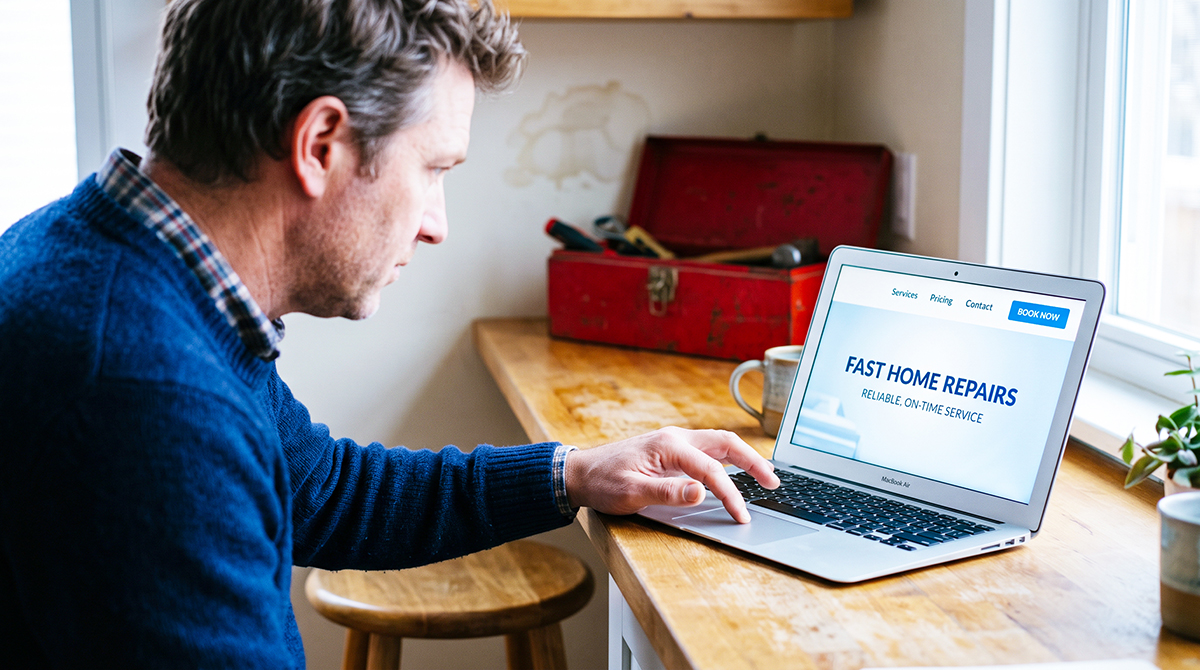
Homeowners dealing with a burst pipe or a dead furnace triage websites fast. Usability research shows abandonment probability peaks within the first ten seconds of a visit, and users spend 80.3% of their viewing time above the page fold. A vague headline, a decorative hero image, or a missing service area statement sends them straight back to the search results.
The fix costs nothing. State the primary service and the exact location served in the first screenful, something like “Professional HVAC Repair in Denver.” Keep navigation in a standard horizontal bar, place contact details in the top-right corner, and let the layout pull the eye downward instead of creating a false floor that mimics a finished page.
Home Service Website Conversion Optimization Starts With Your Forms
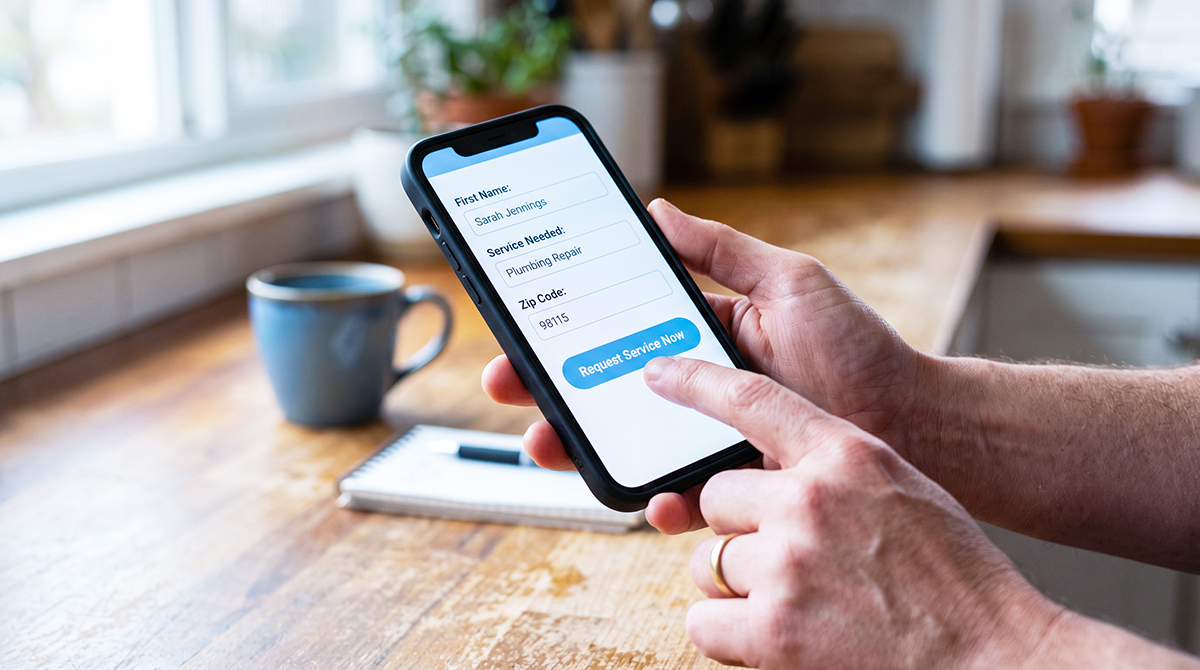
Quote forms carry most of the conversion load for local services, and plenty of them quietly repel customers. Average online form abandonment sits near 68%. Demanding a phone number without marking it optional cuts submissions by another 37%. Layout decisions this small carry real revenue consequences.
- Trim quote requests to three fields and drop the CAPTCHA
- Mark the phone field optional, or briefly explain why you need it
- Use a single column with left-aligned labels
- Wrap every phone number on the site in a tel: link for one-tap dialling
- Swap generic “Submit” copy for something active like “Request Service Now”
Each adjustment removes friction on the one page where buying intent runs highest.
Slow Pages and Broken Mobile Layouts Bleed Revenue
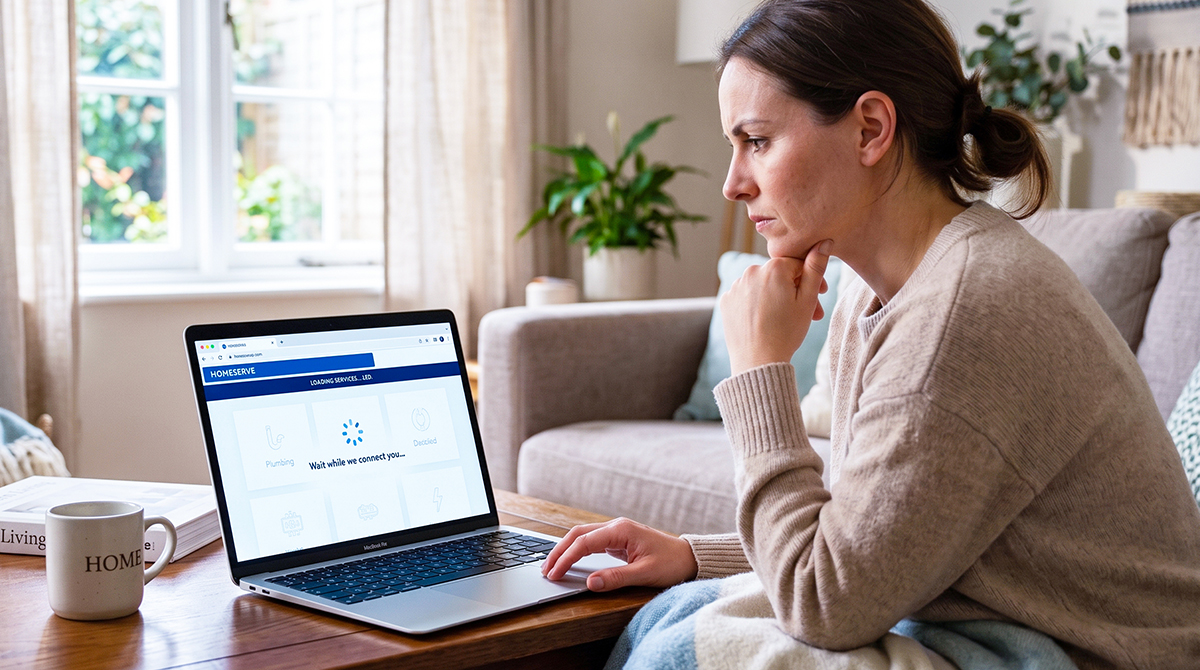
Google indexes the mobile version of your site first, and the audience data explains the priority. Pew Research finds that 91% of American adults now own a smartphone1, and as many as 16% rely on their phones alone to reach the internet.2 A layout that renders poorly on a five-inch screen is invisible to a large slice of your market.
Speed compounds the damage. Conversion rates fall an average of 4.42% with every extra second of load time, while Core Web Vitals standards call for a Largest Contentful Paint under 2.5 seconds and an Interaction to Next Paint under 200 milliseconds. Several fixes deliver quick wins:
- Serve images in modern formats such as WebP
- Enable browser caching and route assets through a CDN
- Defer JavaScript that is not critical to the first render
- Space mobile tap targets at least 48 pixels apart
Trust Signals Close the Deal
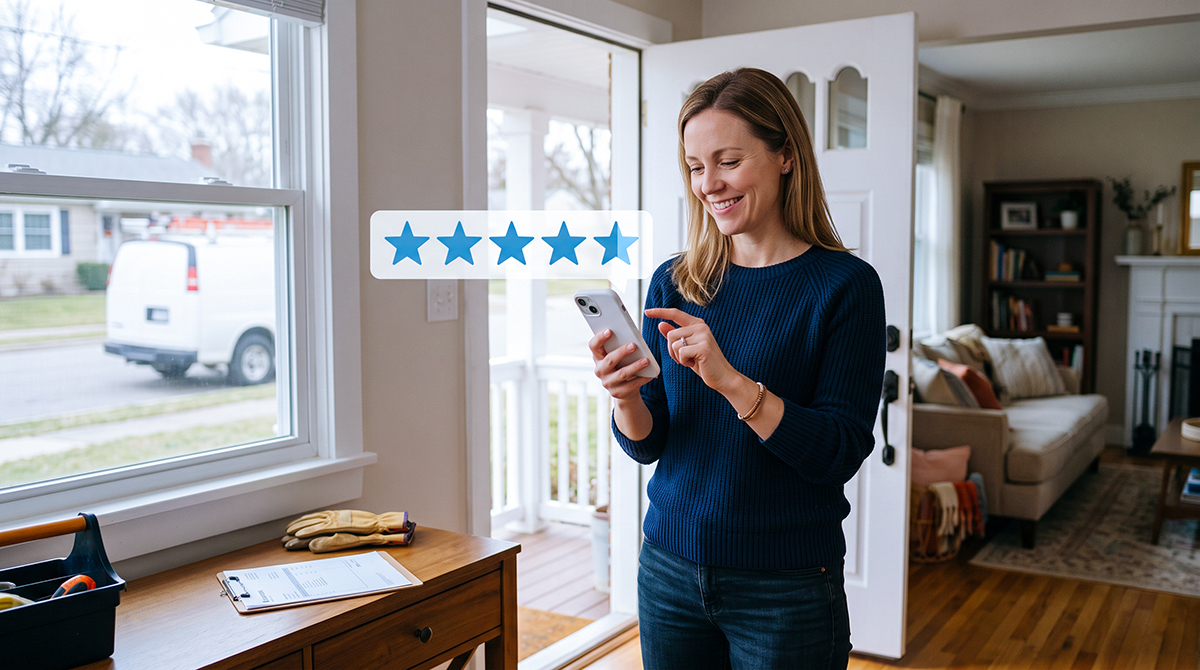
Inviting a stranger into your home is a risk, and buyers behave accordingly. Recent survey data shows 31% of consumers will only contact local businesses rated 4.5 stars or higher, while 47% want at least 20 reviews before considering one at all. AI assistants have raised the stakes, with local recommendations drawn from review profiles and structured data jumping from 6% to 45% between 2025 and 2026.
| Element | Common Problem | Recommended Fix |
| Reviews | Static testimonials or fewer than 20 reviews | Embed a dynamic widget pulling live Google reviews |
| Credentials | No visible licence or insurance details | Display licence numbers and insurance badges on service pages |
| Photography | Generic stock imagery | Show real crews, vehicles, and completed jobs |
| Business Profile | Home address visible on a service-area listing | Hide the address and set defined service areas |
Every row answers the same quiet question buyers ask themselves. Can these people be trusted inside my house?
How to Get More Leads From Your Home Service Website
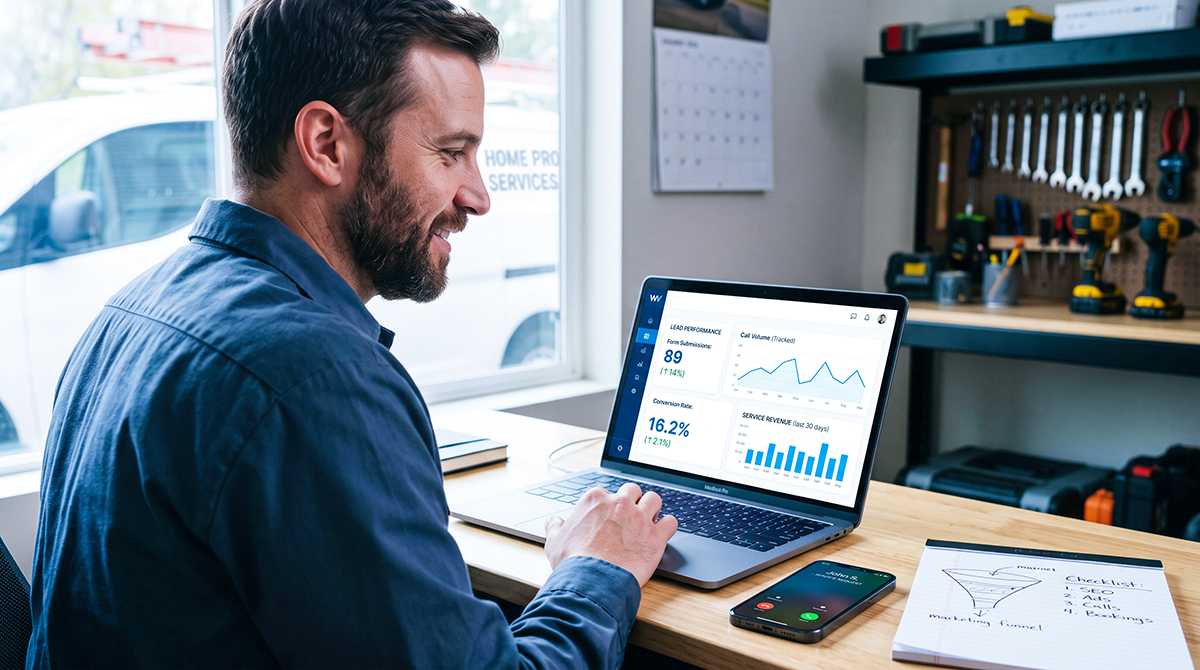
Everything above improves conversion, and measurement protects the gains. Without Google Analytics 4 and Tag Manager recording form submissions and phone calls as conversion events, no one can tell which keywords produce booked jobs and which ones burn budget. Dynamic number insertion attributes each call to its source campaign, which keeps home service PPC spending pointed at search terms that generate actual revenue rather than raw clicks.
Off-page consistency deserves equal discipline. Your name, address, and phone number must match across Google Maps, Yelp, Apple Maps, and the major directories, since mismatched citations can cost up to 35% of organic visibility. Feed offline conversions from your CRM back into Google Ads, and automated bidding starts optimizing toward high-revenue service calls instead of empty traffic.
Turn the Site Into a Booking Engine
None of these repairs demands a rebuild. Sharpen the headline, shorten the forms, speed up the pages, surface the proof, then track what happens next. The quickest way to improve lead generation for a home service website turns out to be subtraction, removing every reason a ready buyer has to leave.
Get a quote today and find out how much more your website should be booking.
References
- McClain, Colleen, and William Bishop. “Internet Use, Smartphone Ownership, Digital Divides in the US: What We Know.” Pew Research Center, 8 Jan. 2026, www.pewresearch.org/short-reads/2026/01/08/internet-use-smartphone-ownership-digital-divides-in-u-s.
- Author, No. “Demographics of Mobile Device Ownership and Adoption in the United States.” Pew Research Center, 22 Dec. 2025, www.pewresearch.org/internet/fact-sheet/mobile.
You May Also Like